- About us
- A new Institute dedicated to combating leukemia
- Our news
- Support us
- You are
- Patients and relatives
- To receive care and support
- Become an expert patient
- Discover the Leukemia Institute
- Researchers
- Research
- Clinical trials
- Discover the Leukemia Institute
- Healthcare professionals
- Refer a patient
- Our clinical research
- Discover the Leukemia Institute
- Industry partners
- Discover the Leukemia Institute
- Translational research
- Donors
- Support us
- Discover the Leukemia Institute
- Care
- Patient care
- Our clinical services
- Our medical laboratories
- Patient information
- Research
- Our research teams
- Our technological platforms
- Our clinical research
Alexandre Puissant’s team – Molecular Mechanisms of Acute Myeloid Leukemia Development
Alexandre Puissant
Team leader
Institut de recherche Saint-Louis
His team was created in 2017,labeled ATIP-AVENIR (2017–2020), then ERC StG (2018–2024), and more recently ERC CoG (2024–2029).

Research themes

The team focuses on:
- understanding the complex biology of acute myeloid leukemias (AML) and
- discovering promising therapeutic approaches aimed at optimizing responses to existing targeted therapies and frontline treatments.
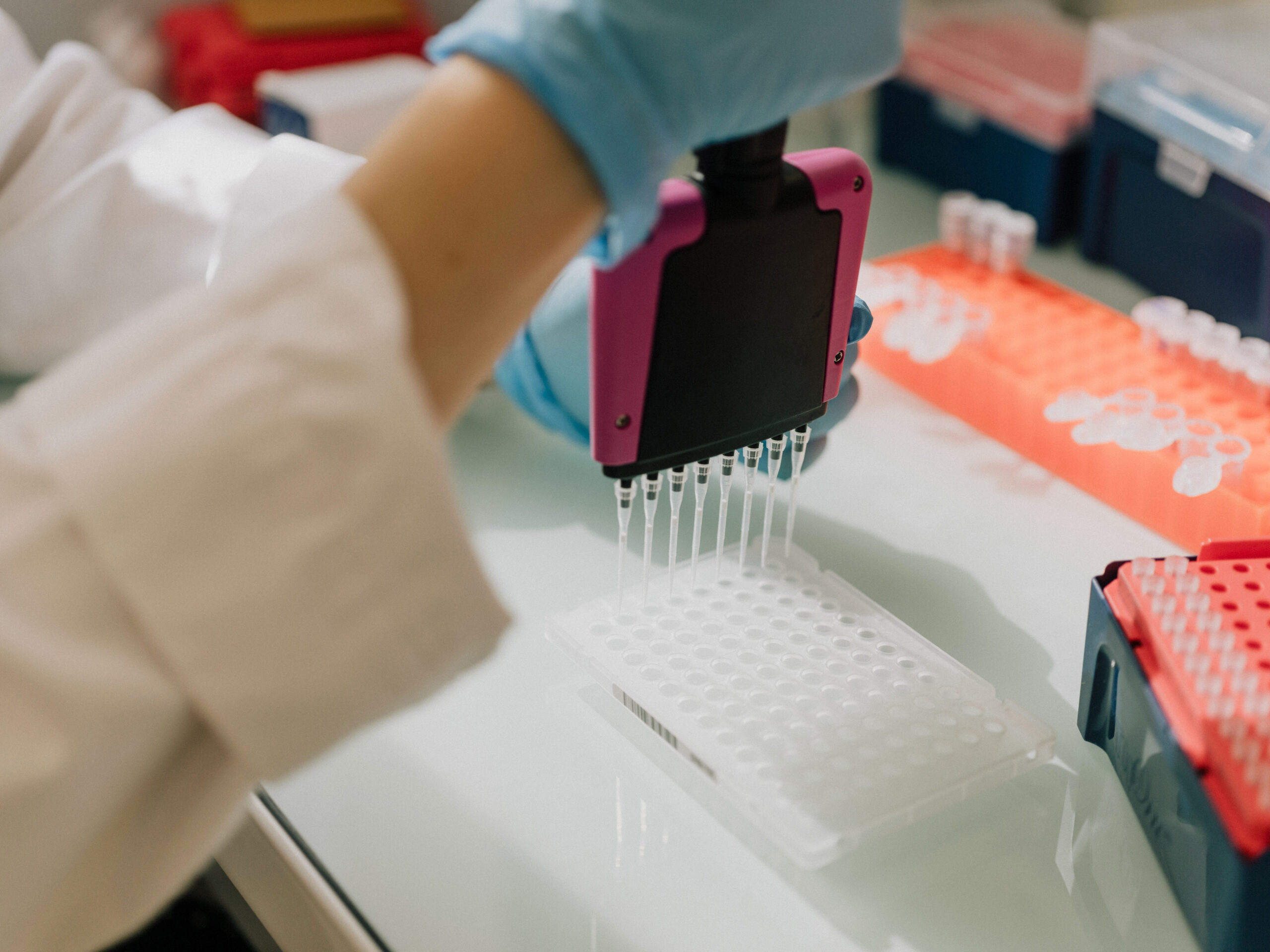
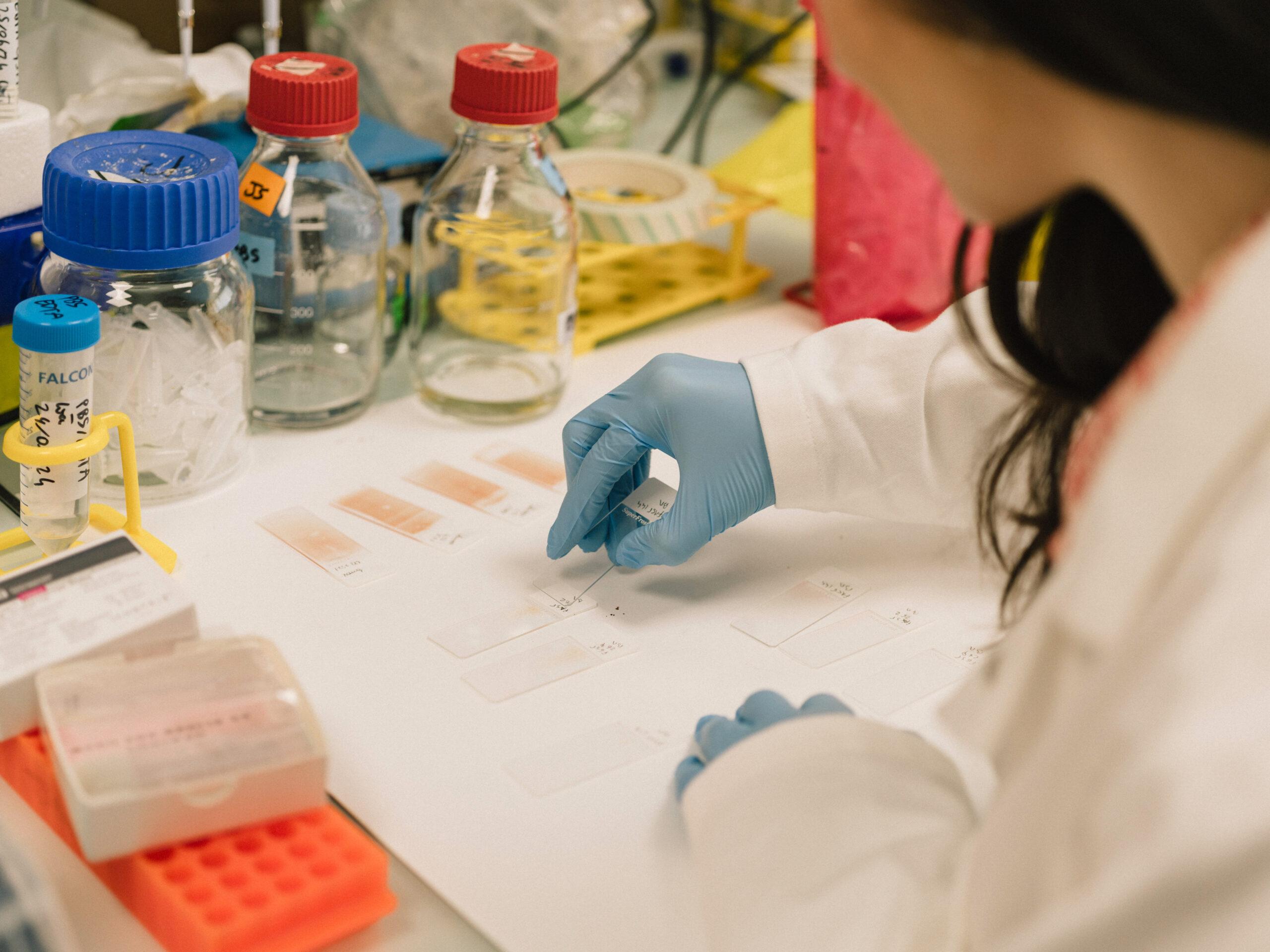
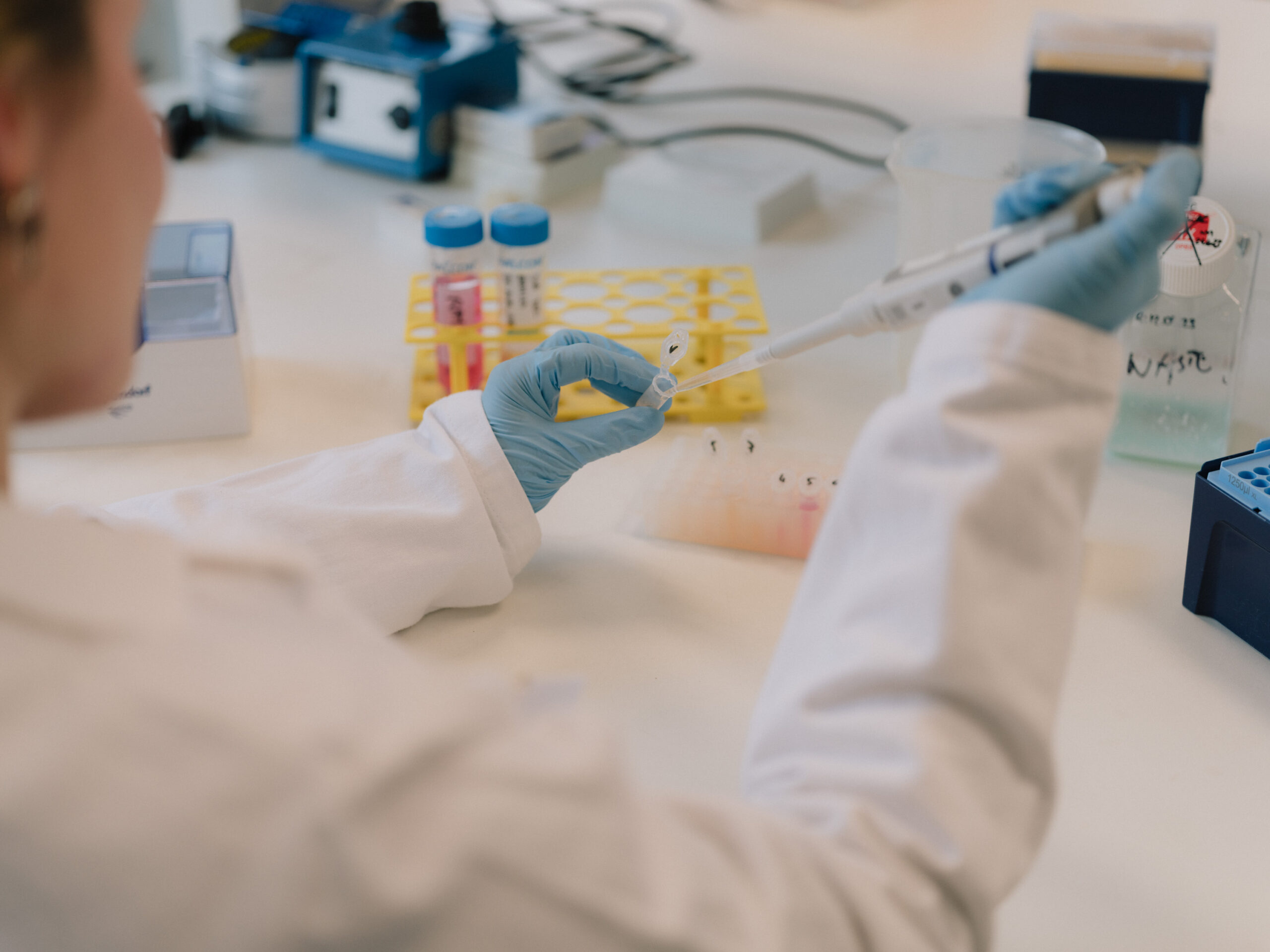
To do this, we deploy large-scale screening strategies, functional genomics, and proteomics applied to preclinical murine models (xenografts from syngeneic mice and patient-derived xenografts, PDX). Leveraging our expertise in AML biology and advanced functional genomics and large-scale in vivo screening tools, our research program revolves around three projects.
Research areas
By deploying large-scale functional screening approaches, we assess in mouse models the functional relevance of metabolic and epigenetic drivers in enabling leukemic blasts to progress toward malignancy, independently of mutational variations and clonal heterogeneity.
We apply bioinformatics and biostatistical methodologies derived from artificial intelligence to syngeneic mouse models, combined with deep sequencing of serial patient samples (diagnosis/relapse), to refine the evolutionary trajectories of leukemic clones from initiation to treatment resistance. This allows us to identify adaptive dead-ends that transformed cells are forced to enter, which can be targeted for eradication.
We have developed the RAINBOW program, which leverages functional precision medicine biomarkers based on flow cytometry to improve patient care pathways and identify new therapeutic repositioning strategies or novel drug combinations. This multiparametric pharmacological screening approach, conducted under pseudo-niche conditions, assesses in the context of first-in-human clinical trials (relapsed or refractory patients) the surface antigen expression or preclinical activity of new compounds or combinations on clinically and genetically annotated primary patient samples, including within defined target populations.
Featured research projects
Deciphering defects in cell polarity in acute myeloid leukemia: mechanisms and therapeutic avenues
Modeling chemotherapy persistence mechanisms to uncover their molecular underpinnings and develop strategies to circumvent them
Targeting the myeloid-specific isoform PIK3CG using heterobifunctional PROTAC-type degrader molecules to block AML progression.
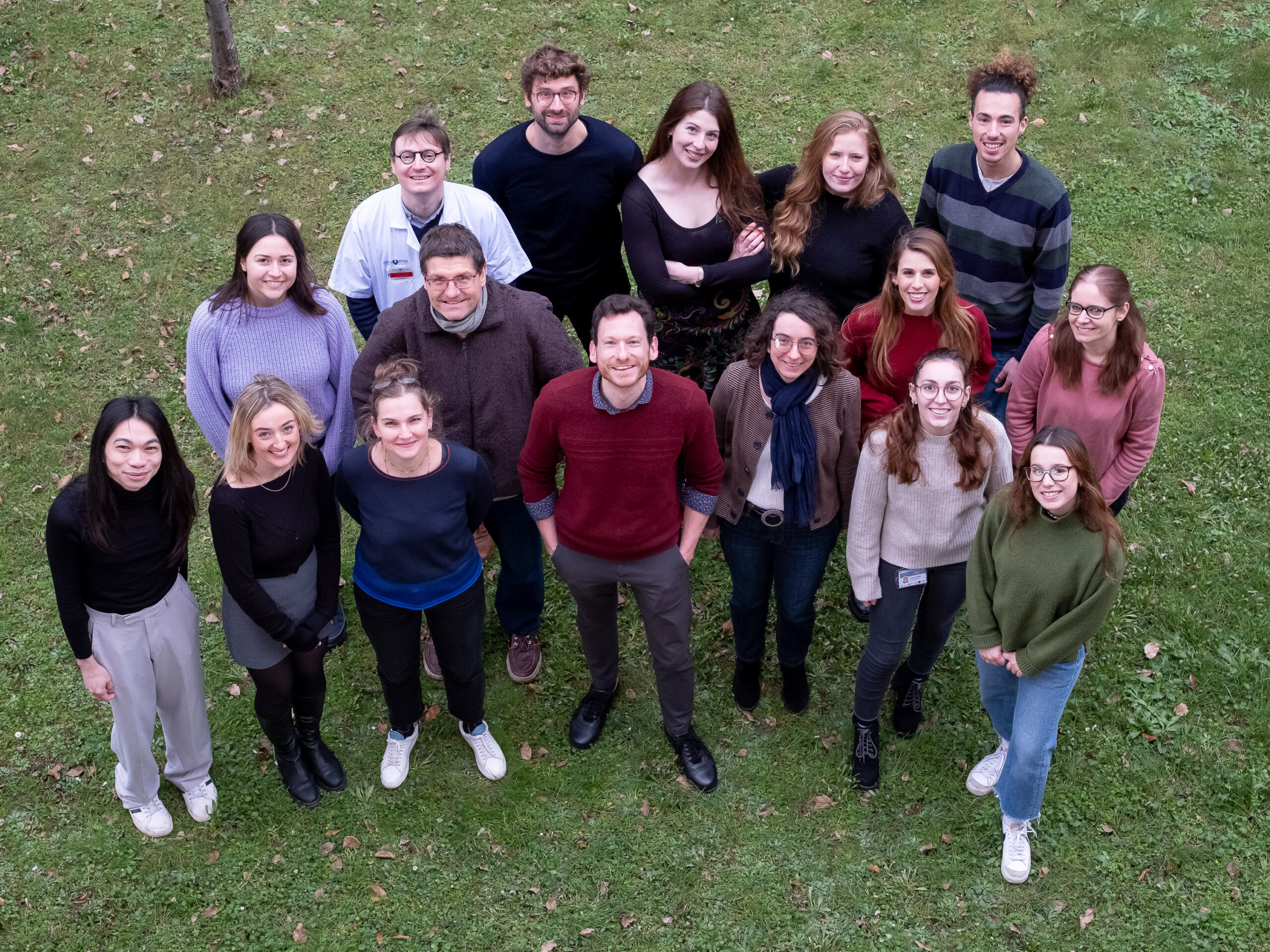
Alexandre Puissant's team members
Alexandre PuissantTeam leader, Inserm DR2, HDRNina FenouilleProject Manager, Inserm CRCNThierry TchenioInserm CRCN, HDRLionel AdesPU-PH, HDRThorsten BraunPU-PH, HDRRaphaël ItzyksonPU-PH, HDRMarie SebertPU-PH, HDRMatthieu DuchmannAHU, CCA Inserm-BettencourtKevin BoumegharMaster 2 StudentLucie FreimanPhD 1st yearGerasimos TsilimidosVisiting Clinical FellowCarine LegrandPostdoc, OPALE Carnot InstituteCaique Lopes SouzaPostdoc, Inserm CDDKhansa SaadallahPostdoc, Inserm CDDNuria Alvarez PizarrosoPhD 4th yearNicolas LecornecPhD 2nd yearLois KellyPhD 4th yearLéa Pelissier MenjaudPhD 2d yearChloé ZédouardPhD 2d yearJuliette CharlesAssistant Engineer, Inserm CDDMorgane FontaineResearch Engineer, AP-HP CDDCatherine LongchampAssistant Engineer, Inserm CDDKim PacchiardiResearch Engineer, AP-HP CDDScientific publications
Kevin H. Lin & al, Nature Genetics, 2020
Using antagonistic pleiotropy to design a chemotherapy-induced evolutionary trap to target drug resistance in cancerRead the publication
Lois M. Kelly & al, Nature Cancer, 2024
Targeting a lineage-specific PI3Kɣ–Akt signaling module in acute myeloid leukemia using a heterobifunctional degrader moleculeRead the publication
Kevin H. Lin & al, Nature Cancer, 2022
P2RY2-AKT activation is a therapeutically actionable consequence of XPO1 inhibition in acute myeloid leukemiaRead the publicationJob offers
Biological Assistant Engineer
participating in a project on myeloid leukemias, using cellular and molecular techniques and murine experimentation.
Post-doctoral Fellow
Post-doctoral Fellow leading a project on the study of AML development.
Financements
- Our technological platforms
- Our clinical services
- Discover the Leukemia Institute
- Translational research
- Our clinical research
- Clinical trials
- Become an expert patient
- To receive care and support
- Our news
- A new Institute dedicated to combating leukemia