Leukemia and childhood: focus on pediatric advances

Transforming the management of pediatric leukemias
Pediatric leukemias remain a major challenge, accounting for nearly one-third of childhood cancers[1]. While cure rates have improved, certain subtypes remain difficult to treat, particularly in cases of resistance to standard therapies.
Created as part of France 2030, the Leukemia Institute Paris Saint-Louis is an off-site structure, unique in Europe. It brings together the expertise of multiple hospitals and centers of excellence (Saint-Louis, Necker, Cochin, Robert-Debré, Avicenne, Collège de France, CEA, ESPCI, École Polytechnique…) around a shared ambition: to transform the management of leukemias across all ages.
Its unprecedented model breaks down barriers between research and care, creating an agile ecosystem where clinicians and researchers work together to accelerate therapeutic innovation.
Understanding and targeting the most aggressive pediatric leukemias

Early T-cell precursor acute lymphoblastic leukemia (ETP-ALL) is one of the most aggressive subtypes of pediatric leukemia. It is characterized by poor responses to chemotherapy and a high rate of induction failure, making it a major challenge for medical teams. These features underscore the urgency of developing innovative therapeutic approaches to improve the prognosis of affected children.
The EPI-MOD-ALL project, led by Pr Vahid Asnafi’s team, aims to decipher the epigenetic vulnerabilities of this leukemia subtype in order to identify new therapeutic targets. It will highlight epigenetic weaknesses and support the development of innovative treatments based on epidrugs for children with ETP-ALL. Ultimately, this work could transform the management of the most complex pediatric leukemias.
« Our ambition is clear: to break down barriers between research and care in order to accelerate access to innovation. This unprecedented model could, in the long term, transform the management of children with leukemia by reducing therapeutic failures and improving survival rates.»
Professor Vahid Asnafi
Paving the way for targeted treatments for an unmet need in pediatric T-ALL leukemia
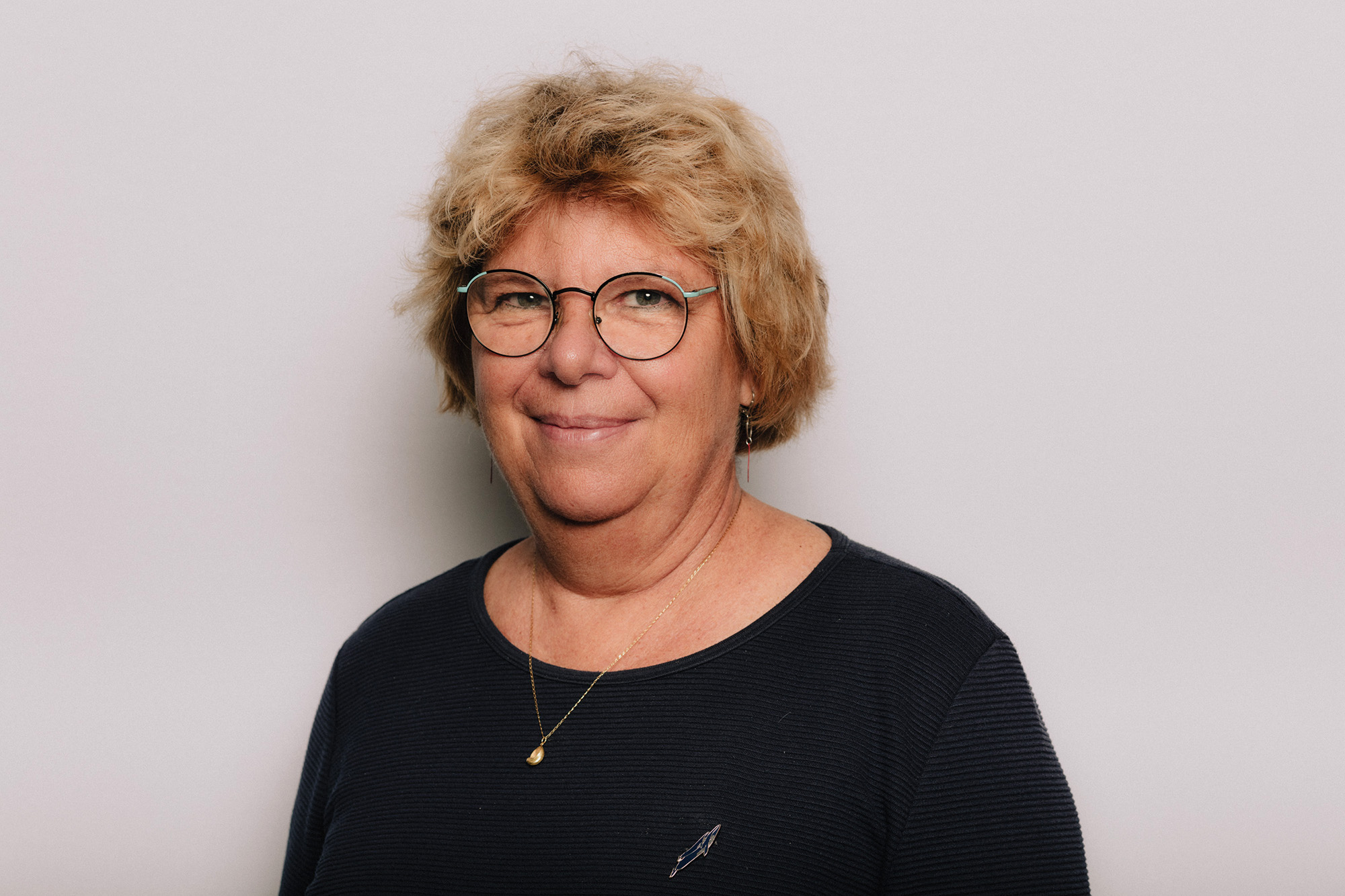
T-cell acute lymphoblastic leukemia (T-ALL) is one of the most aggressive forms of leukemia in children. Despite progress, some young patients exhibit resistance to standard treatments and relapse, making their management particularly complex.
Françoise Pflumio’s work addresses this challenge by exploring the biological mechanisms that support the survival, proliferation, and chemoresistance of T leukemic cells. A recent publication[1] detailing the team’s work highlights key molecular targets, including signaling pathways, that could be leveraged to design more effective and better-tolerated therapies.
[1] High CD44 expression and enhanced E-selectin binding identified as biomarkers of chemoresistant leukemic cells in human T-ALL – PubMed
« Our work aims to understand the mechanisms that enable T-ALL leukemias to resist treatments, in order to identify innovative therapeutic targets. The objective is clear: to provide children with more effective and better-tolerated treatments. »
Françoise Pflumio
Your contact person
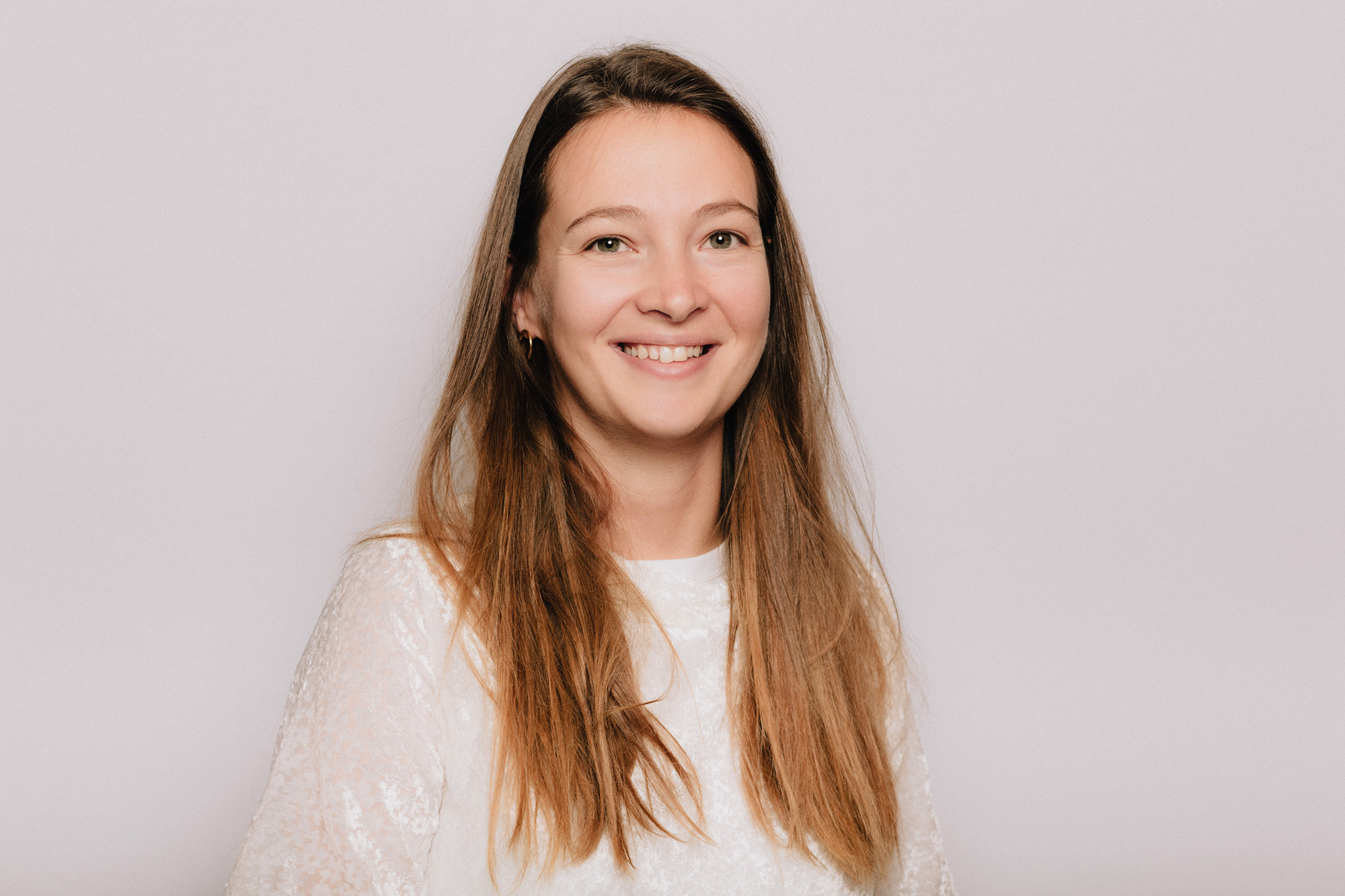
Charlotte Bouquerel
Head of Strategic Development
We are available to support you with interview requests, media coverage, and photo or video shoots across all medical, scientific, institutional, and event-related topics linked to the Institute’s activities.
As a committed player in the fight against leukemia, the Institute actively contributes to advancing research, care, and public awareness.