- About us
- A new Institute dedicated to combating leukemia
- Our news
- Support us
- You are
- Patients and relatives
- To receive care and support
- Become an expert patient
- Discover the Leukemia Institute
- Researchers
- Research
- Clinical trials
- Discover the Leukemia Institute
- Healthcare professionals
- Refer a patient
- Our clinical research
- Discover the Leukemia Institute
- Industry partners
- Discover the Leukemia Institute
- Translational research
- Donors
- Support us
- Discover the Leukemia Institute
- Care
- Patient care
- Our clinical services
- Our medical laboratories
- Patient information
- Research
- Our research teams
- Our technological platforms
- Our clinical research
David Michonneau’s team – Translational Immunology in Immunotherapy and Hematology (TIGITH)
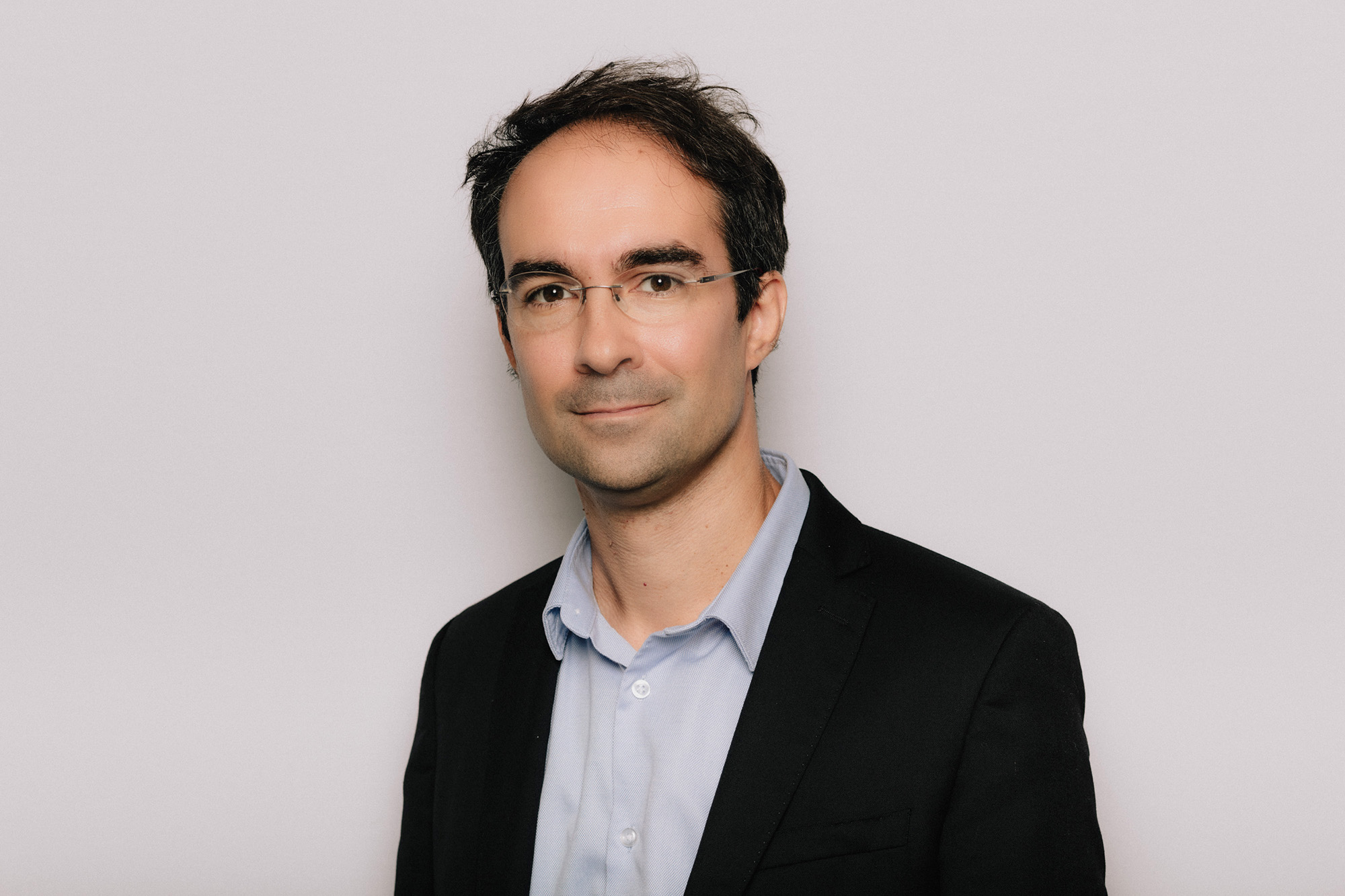
David Michonneau
Team leader
Institut de recherche Saint-Louis
orcid 0000-0003-4553-3065,
X : @MichonneauDavid,
BlueSky : @dmichonneau.bsky.social,
Linkedin : https://fr.linkedin.com/in/david-michonneau-94b38473

Research themes
Our research team is engaged in fundamental and translational projects aimed at unraveling the biological mechanisms underlying complications that arise after allogeneic hematopoietic stem cell transplantation. Additionally, our focus is on the immunological mechanisms underlying acquired aplastic anemia and its progression towards hematologic malignancies.
Studied Pathologies
Graft-versus-host disease (GVHD)
Acquired aplastic anemia
Myeloid malignancies
Research areas
Allogeneic hematopoietic stem cell transplantation (HSCT) is a curative treatment for both malignant and non-malignant hematologic disorders. Its main complications are graft-versus-host disease (GVHD) and relapse of the underlying hematologic malignancy. Our research projects aim to understand the mechanisms of the alloimmune response during GVHD or antitumor response through multi-omics analysis of human samples from multicenter cohorts (mass cytometry, metabolomics, single-cell transcriptomics, gut microbiota analysis using 16S PCR or metagenomics). Our team also develops murine models of allogeneic transplantation and antitumor immune responses to design new preventive or curative therapeutic approaches for these complications.
Acquired aplastic anemia (AAA) is a rare hematologic disorder characterized by immune-mediated destruction of hematopoietic progenitors, which can evolve into a myeloid malignancy in 15 to 20% of cases. Our projects aim to characterize the immune response underlying AAA in the bone marrow of patients and to identify the molecular mechanisms driving clonal evolution in AAA. This research is based on a multicenter cohort of bone marrow samples from the RIME biocollection of the French National Reference Center (https://aplasiemedullaire.com/) and leverages single-cell transcriptomic and genomic approaches.
MAIT cells (Mucosal-Associated Invariant T cells) are lymphocytes associated with mucosal tissues and characterized by the expression of an invariant TCR α-chain, Vα7.2. Their regulatory role in the immune response remains poorly understood. The team aims to characterize the interactions between MAIT cells and other immune cell populations, particularly in the context of the alloimmune response, and to develop innovative therapies based on the generation of CAR MAIT cells to target tumor pathologies, using in vitro approaches and murine models of solid cancers.
Featured research projects
Hematopoiesis and Immunopathology of Acquired Aplastic Anemia (HEALIA)
Understanding the immunological mechanisms and intrinsic hematopoietic defects involved—at the single-cell level—in the pathophysiology of acquired aplastic anemia and its progression to malignant hematologic disorders.
Unravelling the Interplay Between Intestinal Bacteroides Genus and Antitumor Immune Response Following Allogeneic HSCT: Toward Phage Therapy-Targeted Modulation of Gut Microbiota to Prevent Relapse (alloPhage)
Targeted modulation of gut microbiota composition through phage therapy to enhance antitumor immunity and prevent post-transplant relapse.
Prediction Of Relapse Through Artificial Intelligence and Multi-Omics After Allogeneic HSCT (PORTRAIT)
Prediction of post-transplant relapse using machine learning algorithms applied to immunological, metabolomic, and clinical data.
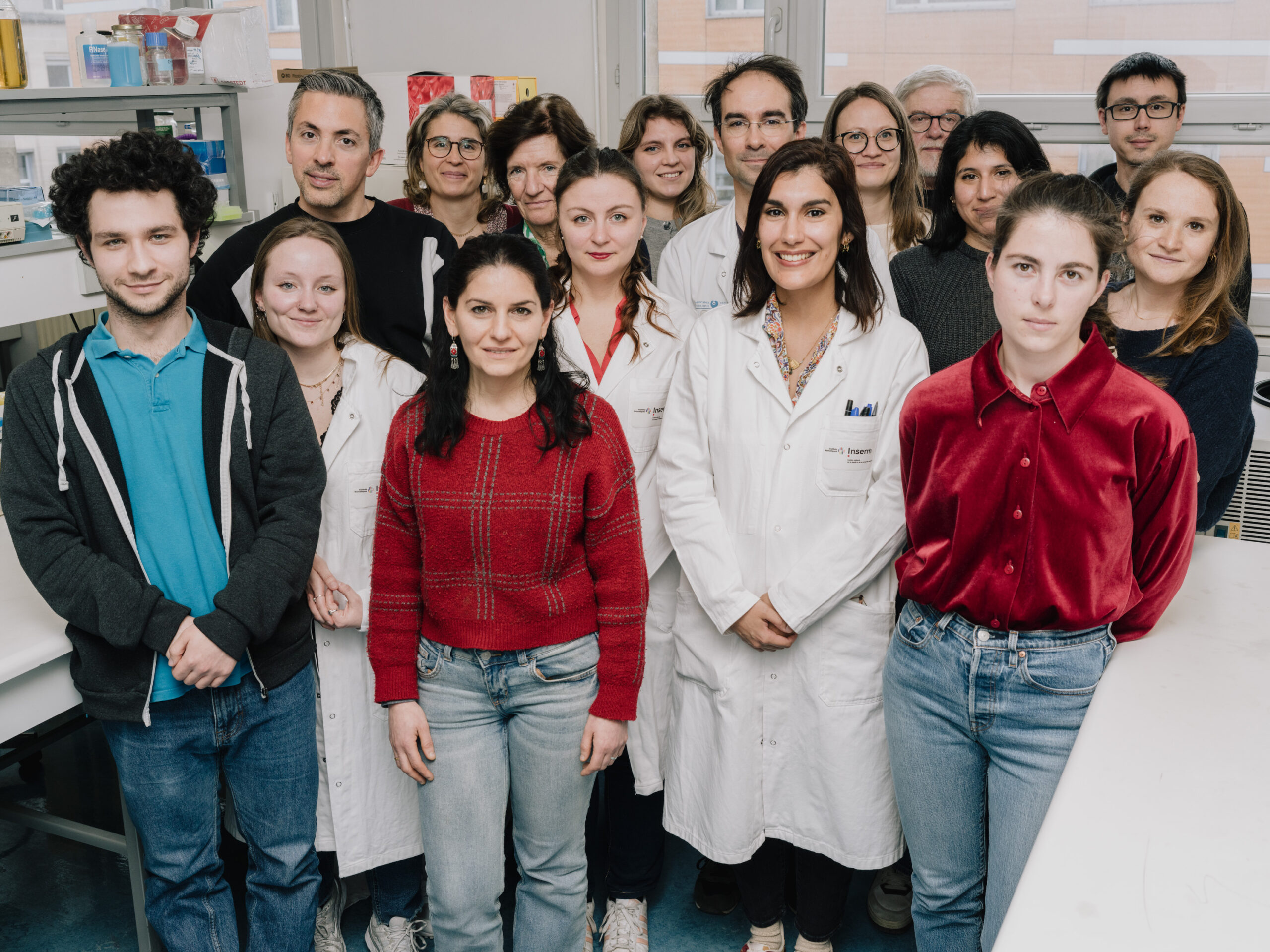
David Michonneau's team member
David MichonneauProfessor, team leaderRégis Peffault de LatourProfessorJean-Hugues DallesProfessorGérard SociéProfessorThierry LeblancAssociate professorSophie Le GrandPhD studentGwendolyn MargueritBioinformatic engineerMargo FernandezResearch engineerMathieu ChevalierCRCNMarion LambertResearch engineerSophie Caillat-ZucmanProfessorElise DiazResearch engineerVivien PeuxResearch engineerNobert MinetPostdocJennifer BordenavePostdocLiana GhazarianPostdocCharlotte CalvoPhD studentScientific publications
Nofar Azulay & al, Science Translational Medicine, 2025
A spatial atlas of human gastrointestinal acute GVHD reveals epithelial and immune dynamics underlying disease pathophysiologyRead the publication
Nicolas Vallet & al, Cell Host Microbe, 2023
Circulating T cell profiles associate with enterotype signatures underlying hematological malignancy relapsesRead the publication
Nicolas Vallet & al, Blood, 2022
Azithromycin promotes relapse by disrupting immune and metabolic networks after allogeneic stem cell transplantationRead the publication
Laetitia Dubouchet & al, Sci Transl Med, 2022
Operational tolerance after hematopoietic stem cell transplantation is characterized by distinct transcriptional, phenotypic, and metabolic signaturesRead the publication
David Michonneau & al, Nat Commun., 2019
Metabolomics analysis of human acute graft-versus-host disease reveals changes in host and microbiota-derived metabolitesRead the publicationIndustrial partners
Funding
- Our technological platforms
- Our clinical services
- Discover the Leukemia Institute
- Translational research
- Our clinical research
- Clinical trials
- Become an expert patient
- To receive care and support
- Our news
- A new Institute dedicated to combating leukemia